Key takeaways
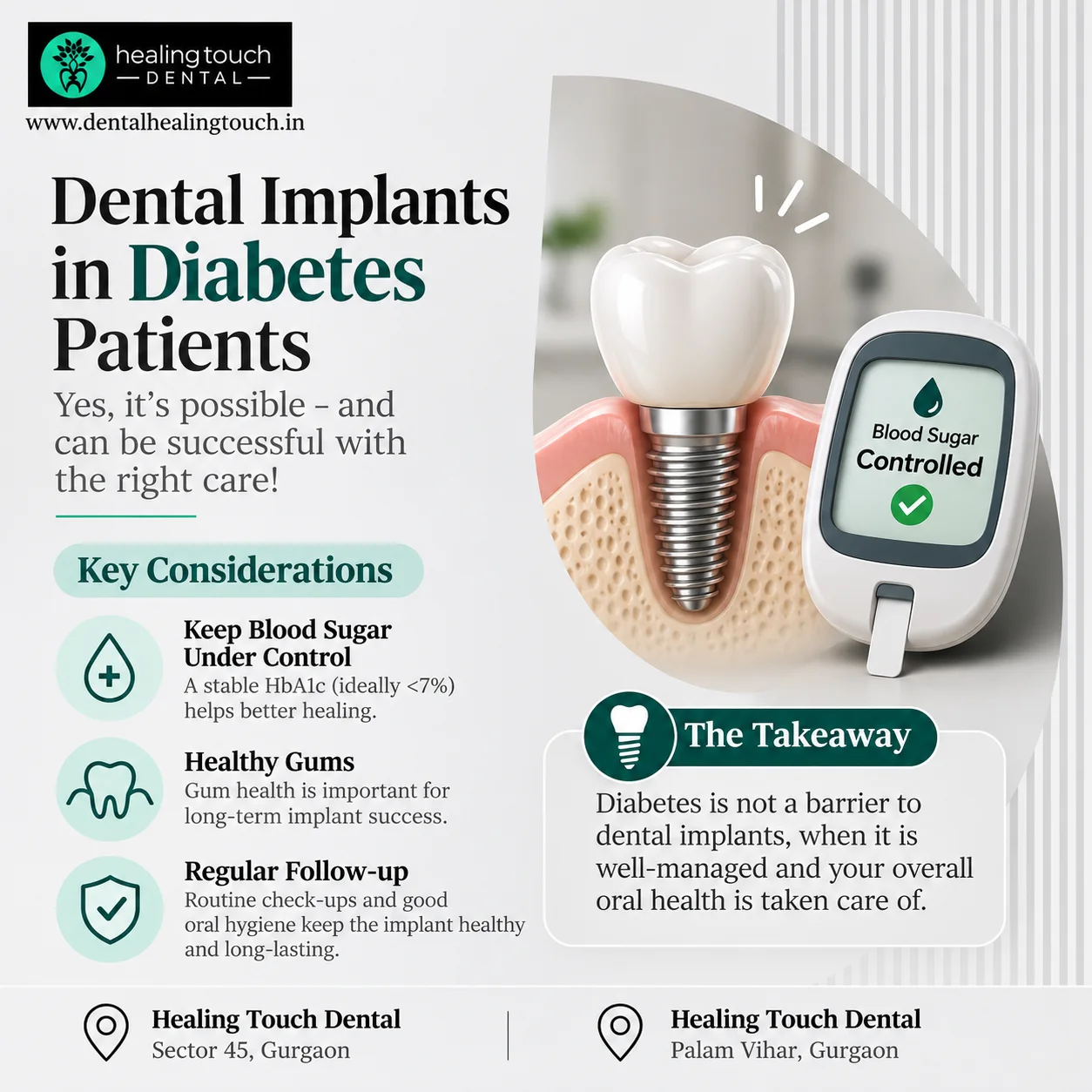
- People with well-controlled diabetes can get dental implants with high success rates.
- An HbA1c of about 7% or below is ideal. Up to 8% is often manageable with extra care.
- High blood sugar slows bone healing and raises infection risk.
- Gum treatment, faster-bonding implants and physician coordination make implants safer.
Can people with diabetes get dental implants?
Yes. Diabetes on its own doesn't rule out dental implants. Research shows that in people whose diabetes is well controlled, implants succeed at rates close to people without diabetes. What matters most is how well your blood sugar is controlled, not simply whether you have diabetes.
This applies to both Type 1 and Type 2 diabetes. In fact, implants can make life easier for diabetic patients: fixed teeth make it easier to chew a healthy, balanced diet, and they avoid the sore spots that loose dentures can cause.
Animation · how an implant heals
Why blood sugar control matters for implant healing
After an implant is placed, new bone cells grow onto its surface and lock it in place. This is called osseointegration. High blood sugar slows this process and makes the gums more prone to infection.
Illustration for education, not to scale. Healing time varies from person to person.
What HbA1c level is safe for dental implants?
HbA1c is a blood test that shows your average sugar level over the last 2 to 3 months. It's the most useful number when planning implants. As a general guide, an HbA1c of about 7% or below is ideal, and many patients up to 8% can go ahead with extra precautions.
Interactive · move the slider
What does your HbA1c mean for implants?
HbA1c shows your average blood sugar over the last 2–3 months. This is a general guide. Your dentist and physician decide together.
How implant treatment works for diabetic patients
Treatment follows the same steps as for anyone else, with an extra check on blood sugar and closer coordination with your doctor.
Flowchart
Your path to dental implants with diabetes
- 1Consultation & 3D scan
We check your gums and bone, take a CBCT scan and review your medical history and medicines.
- 2Blood sugar check
A recent HbA1c and fasting sugar report. With your permission, we coordinate with your physician.
- ?What is your HbA1c?
-
7% or belowGo ahead
Implant planned with standard precautions.
7–8%Go ahead with extra carePhysician coordination, gum treatment first, longer healing time.
Above 8%Optimise firstWork with your physician to lower sugar. We treat gum disease meanwhile and recheck in about 3 months.
↺ back to step 2 - 3Implant placement
Gentle, minimally invasive surgery under local anaesthesia, ideally in the morning after breakfast and your usual medicines.
- 4Healing & checks
Usually 3–6 months, with follow-up visits. Keeping sugar steady during this time helps the bone bond to the implant.
- ✓Final crown & maintenance
Your new tooth is fitted. Cleanings every 3–6 months keep the gums around the implant healthy.
Risks of dental implants with diabetes
When diabetes is poorly controlled, high sugar levels reduce blood flow and weaken the body's defence against infection. This can slow healing and make gum infection around the implant more likely.
Controlled vs uncontrolled diabetes
Summary of published research on implants in people with diabetes. Individual results vary.
Precautions we take for diabetic patients
At Healing Touch Dental, implant surgery is planned by our implantologists and oral surgeon. For patients with diabetes we add these safeguards:
Sugar check on the day
We check your blood sugar before starting, so surgery only goes ahead when it's in a safe range.
Gum treatment first
Healthy gums before the implant lower the infection risk afterwards.
Faster-bonding implants
Super-hydrophilic implants such as CWM are designed to bond to bone faster.
Minimally invasive surgery
3D-planned, gentle surgery means smaller wounds and quicker healing.
Infection protection
Antibiotics and mouth rinses as prescribed by your dentist, based on your health.
Extra healing time
We give the implant the time it needs before the final crown, rather than rushing.
Physician coordination
With your permission, we share the plan with your diabetologist.
Regular follow-ups
Check-ups and professional cleanings every 3–6 months protect the implant long term.
How to prepare for implant surgery if you have diabetes
Tap each stage
Your surgery-day checklist
- ✓Share your latest HbA1c and list of medicines
- ✓Keep sugar steady in the weeks before
- ✓Get gum treatment or cleaning done if advised
- ✕Don't stop diabetes medicines on your own
- ✓Eat your normal breakfast and take your usual medicines
- ✓Bring your glucometer and a sugary snack in case of low sugar
- ✓Choose a morning appointment
- ✕Don't come on an empty stomach
- ✓Eat soft, balanced meals on time to avoid low sugar
- ✓Check sugar more often for a few days
- ✓Use prescribed rinses and medicines
- ✕Don't smoke. It's one of the biggest risks for implant failure
Which implant is best for diabetic patients?
Implants with a super-hydrophilic surface attract blood and bone cells quickly, which can help when healing is slower than usual. Premium brands with a long track record are another good choice. Our options include:
- CWM super-hydrophilic implants (Korea): from ₹27,500
- Straumann (Switzerland): from ₹40,000
- Nobel Biocare (Sweden): from ₹35,000
- Dio and Dentium (South Korea): from ₹25,000
Prices are for the implant; the crown is extra. We'll recommend the right implant after checking your bone, gums and sugar levels, and give you a written estimate.
Real result · drag to compare
What a dental implant restores
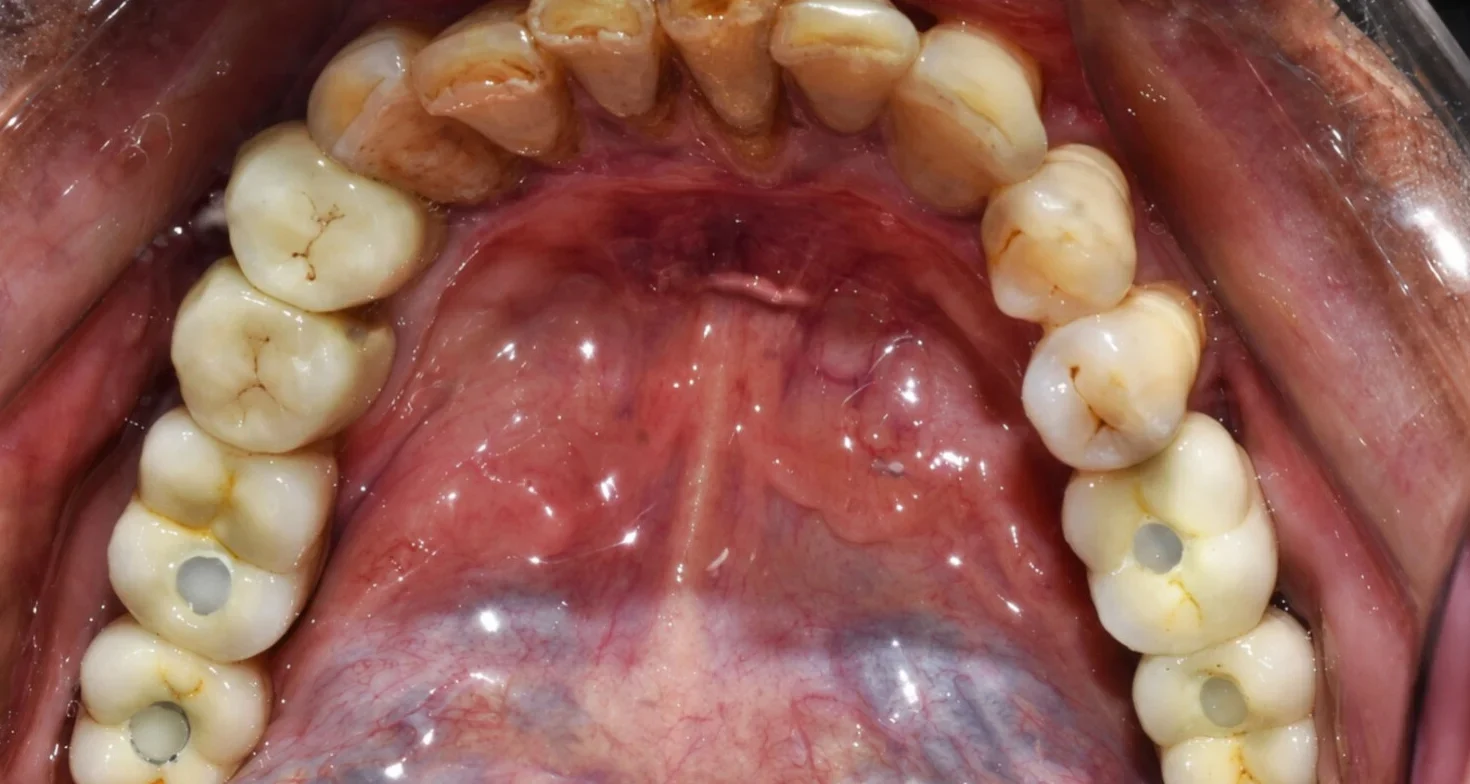
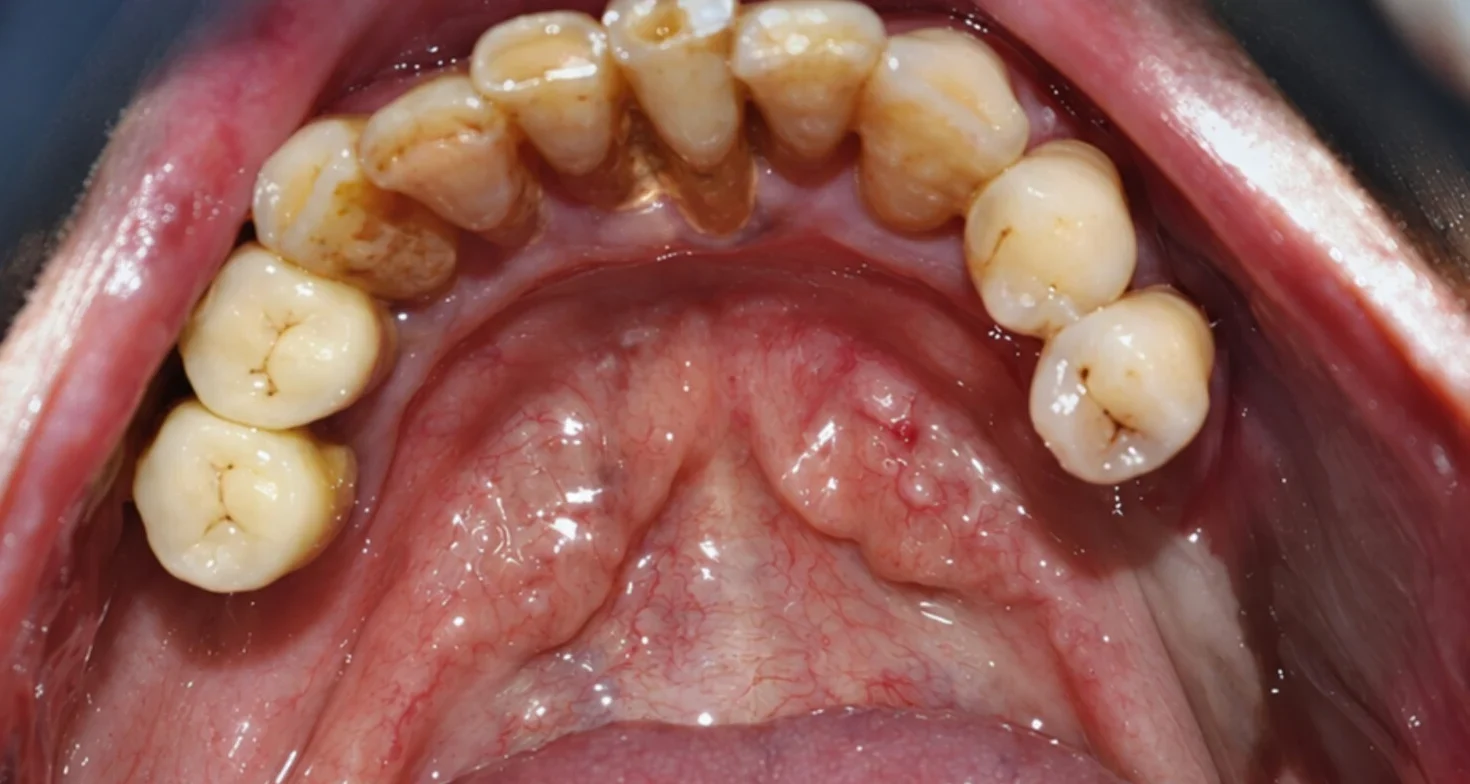
Dental implant replacement of back molars at our clinic. Every patient's result is different.
Myths about diabetes and dental implants
Tap each card to see the facts.
Looking after your implant with diabetes
- Keep your HbA1c in your target range. It protects your gums as well as your implant.
- Brush twice a day and clean around the implant with floss or an interdental brush.
- Visit us for check-ups and professional cleaning every 3 to 6 months.
- Tell us early about bleeding, swelling or a bad taste around the implant.
- Don't smoke.
Free implant consultation
Have diabetes and missing teeth? Let's check if implants suit you.
Bring your latest HbA1c report and medicine list. We'll check your gums and bone, explain your options and give you a written estimate.
Frequently asked questions
Can a diabetic person get dental implants?
Yes. People with well-controlled diabetes can get dental implants with success rates close to those without diabetes. Your dentist will check your HbA1c, gums and bone before planning.
What HbA1c is safe for dental implant surgery?
An HbA1c of about 7% or below is ideal. Many patients with an HbA1c up to 8% can go ahead with extra precautions. Above 8%, it's usually better to bring sugar under control first.
Do dental implants fail more often in diabetics?
The risk is mainly higher when diabetes is poorly controlled. With good sugar control, oral hygiene and regular check-ups, implants in diabetic patients do very well.
How long does an implant take to heal in a diabetic patient?
Usually 3 to 6 months before the final crown. Healing may take a little longer than usual, so we don't rush the final tooth.
Should I stop my diabetes medicines before implant surgery?
No. Take your medicines and eat breakfast as usual unless your doctor advises otherwise. Morning appointments help keep your sugar stable.
Which implant brand is best for diabetic patients?
Implants with a super-hydrophilic surface, such as CWM, are designed to bond to bone faster. Your dentist will recommend the right one for you.
Is implant surgery painful for diabetic patients?
It's done under local anaesthesia, so you shouldn't feel pain during surgery. Mild soreness for a few days afterwards is normal and is managed with medicines.
This article is for general information and doesn't replace a dental examination. Prices mentioned are starting prices at the time of writing.